

Author: sparksight_admin
About
How to Effectively Use Website Photography
06 Aug 2019
Photographic content can be a powerful tool for enhancing your website and engaging your website visitors. However, as with any powerful tool, photography can be a double-edged sword. Read on to learn how to avoid common pitfalls and leverage website photography to support your message and polish your online profile.
Use High Quality Photos
There are few things that can undermine your website as efficiently as a blurry, overexposed, or out-of-focus photo. Take the time to ensure that all of the photo content that you post on your website has the right dimensions for your uses and is of the highest quality. This ensures it supports your website and enhances the rest of your content.

Use Engaging Images
They say “A Picture is Worth 1,000 Words”, but you want to make sure that those words tell a story. There’s something to be said for using photos to lend color to a webpage, but why stop there? Leverage your photos by ensuring that the photo draws the viewer’s eye and tells a story, which brings us to our next key point…
Ensure that Images Support the Content
Now that you have a high-quality, eye-catching photo, make sure that the image supports your intended message and complements the other content on the page. Clarity and a unified message are invaluable assets in a website.
Don’t Overdo It
When it comes to website content, sometimes less is more. If a visitor is caught in a full-on assault to the senses when viewing your website, they are likely to be distracted from your intended message or confused by the different content. Unless your message is that you have lots of high-quality website photography, it’s best to limit the amount of photographic content you present to your viewer at any one time.
Own the Rights
The last thing a web administrator wants-whether they manage a company website, or they’re a passionate hobbyist with a url-is to deal with a lawsuit over copyright infringement. Make sure that you own the rights to your website photography by either simply taking the photo yourself or ensuring that you have purchased the rights to use the picture commercially.
Keep these tips in mind during your next website update, and you’ll be sure to finish with a stunning product.
What other tips do you have for using website photography? Let us know in the comments below!
Why is Business Photography Important?
18 Apr 2019

Business photography is important since it allows the business to make a memorable lasting impression of the brand. Photography is still one of the most important and popular forms of imagery. When used in combination with an attractive website and an active social media presence, photos can be a value-add to your marketing strategy.
According to Hubspot, 97% of us have searched online to find a business, and 88% of local searches lead to a visit to a business within 24 hours. Search engine results for businesses are often dominated by images. If your business has social platforms, you need top-notch imagery to ensure a successful enterprise.
Photos Create a Positive First Impression
Images are the most popular medium for finding products and services. It is highly likely that your online presence will be the first encounter a potential customer will have with your business. Ensure that your images are attractive and paint your business in an appealing way.
Photos Can Promote Business
Photography can showcase your products and services to those who are unfamiliar with your business. This approach to business imagery allows marketers and advertisers to choose an image that they believe will sell their products. High quality photos of your products will help grab attention of potential customers. The key to business photography is to create a positive image of your brand to display publicly.
Photos Help Create Your Online Brand Personality
Business Photography can help provide insight to your customers about the personality of your brand. One way that photography and social media can work together effectively is through storytelling. Pair images with an informative or engaging captions to go along with your visual asset. Behind-the-scenes shots of the business are a great way to let the customer see your business process.

Rethink Your Testimonial Video Style
26 Jun 2018
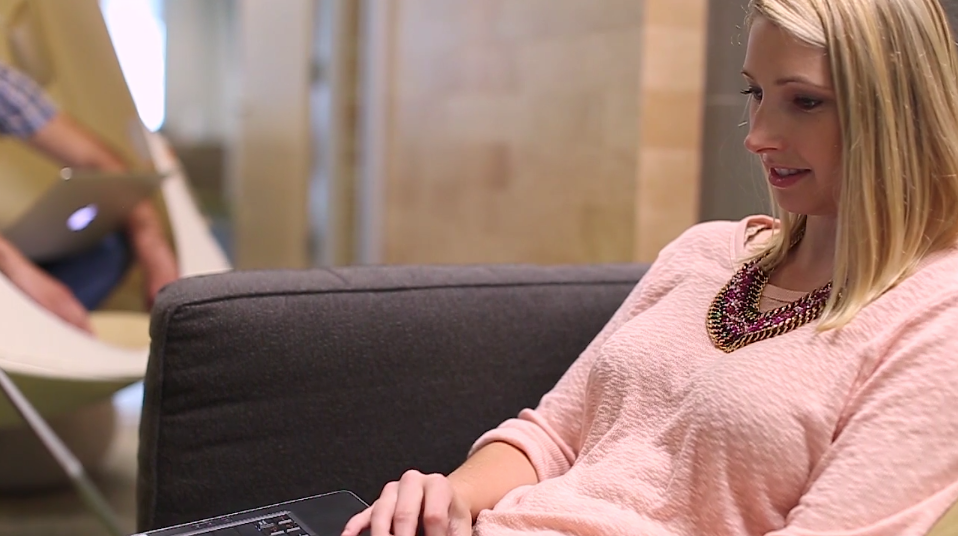
Testimonial video, like all common forms of commercial video, runs the risk of being formulaic. Have you noticed that every time you’re considering a new product for your business, it seems like the company sends you a testimonial video, where the same five faces tell you the same platitudes about how great the product is? Consistency in video style is important, since it helps viewers to understand the video content. Moreover, patterns tend to develop because they work. However, following patterns too closely in your testimonial video can lead potential customers to question the sincerity of the testimonials and to disengage from the content. We’ve put together a list of a few ways to make your testimonial video content unique, and drive your sales effort.
Use Numbers
Testimonial video content is often limited by the fact that you can’t feature all of your customers in just one brief video. While this means that you can focus on your best and most loyal customers, it also can make viewers question whether the testimonial is representative of all of your customers’ experiences. To correct for this limit, leverage some data about your customer relationships. For example, how many of your first-time customers come back for later purchases? How long has your average customer been with you? All of this information serves to tell your viewers that your customer experience is consistently outstanding, and make your testimonial video more convincing.
Avoid Using Online Comments
Social media is completely ubiquitous in modern society. Any person or company that isn’t on Facebook is generally regarded as being “behind the times”. With such pressure, most B2B and B2C companies use a variety of social media platforms to interact with customers and clients. On the customer side, social media is perfect for submitting testimonial videos on a company’s products and customer experience. Many firms have started to leverage these comments when creating their testimonial videos. However, these testimonials are far less effective than the classic testimonial video, and should be used sparingly.
You should assume that viewers of your testimonial video are familiar with social media practices (“netiquette”). As such, they will know that the opinions posted by social media users are often not-well thought out and aren’t ones that they might defend very strongly. Ultimately, in the mind of your user, Facebook is a forum to share cat videos, and twitter is the home of random thoughts that occurred to celebrities. While it may seem hip to feature screengrabs of social media posts in your testimonial video, it has been done before, so the novelty has worn off, and viewers are not likely to take these opinions very seriously in their considerations.
Get Testimonials from Many Customers
Often, testimonial videos are created featuring only representatives from one of your best customers. This is because it is much easier to coordinate a few people to appear in your video if they have similar schedules and work at the same company. They may also choose to use the video to promote their own business using your testimonial video. However, when you only work with one of your customers in your video, the content ultimately only represents one customer’s opinion, and doesn’t speak to the positive experience of all of your customers across the board. As such, if possible, it is value to feature the opinions of many different customers from a variety of sources.
For business services companies, it is also important to show your expertise across the different industries and with different types of customers. This way, it will be relevant to all different types of potential customers. Every firm should have a broadly-applicable testimonial video. If you already have one, then you can consider focusing your new content on a specific industry or type of customer.
Feature Customers Viewers Will Recognize
Prevailing wisdom in testimonial videos is to always work with your best customers. “Best” can be defined as your oldest, largest, or friendliest customer. However, another point to consider is whether or not your audience might recognize the featured customer. Any time that a person or their company is recognizable, it lends legitimacy to the featured individual and also engages the viewer. The goal here is to make your potential customer think “well if it’s good enough for Company X, then it’s good enough for me!” Therefore, if any of your customers are widely recognizable, then you should seriously consider working with them to be a part of your testimonial video.
Feature Representatives from your Company
Finally, most testimonial videos, for obvious reasons, focus mainly on the testimonials. However, it is important to remember that your viewers will ultimately not be working with the satisfied customers who are giving the testimonial. Whenever possible, it is wise to also feature representatives from your own company. For example, you could include B-roll footage of members of your team and that of your customer working together on a project. Alternatively, you could use a shot of your team giving a presentation to the customer. By no means should this be the centerpiece of the video, but featuring members of your team can help to engage your viewers.
Do you agree that the opinions posted by social media users are often not-well thought out and aren’t ones that your viewers might defend very strongly? I would love to hear your thoughts and opinions on this in the comments below!
Best Photography Shots to Get at Your Next Event
12 Jun 2018
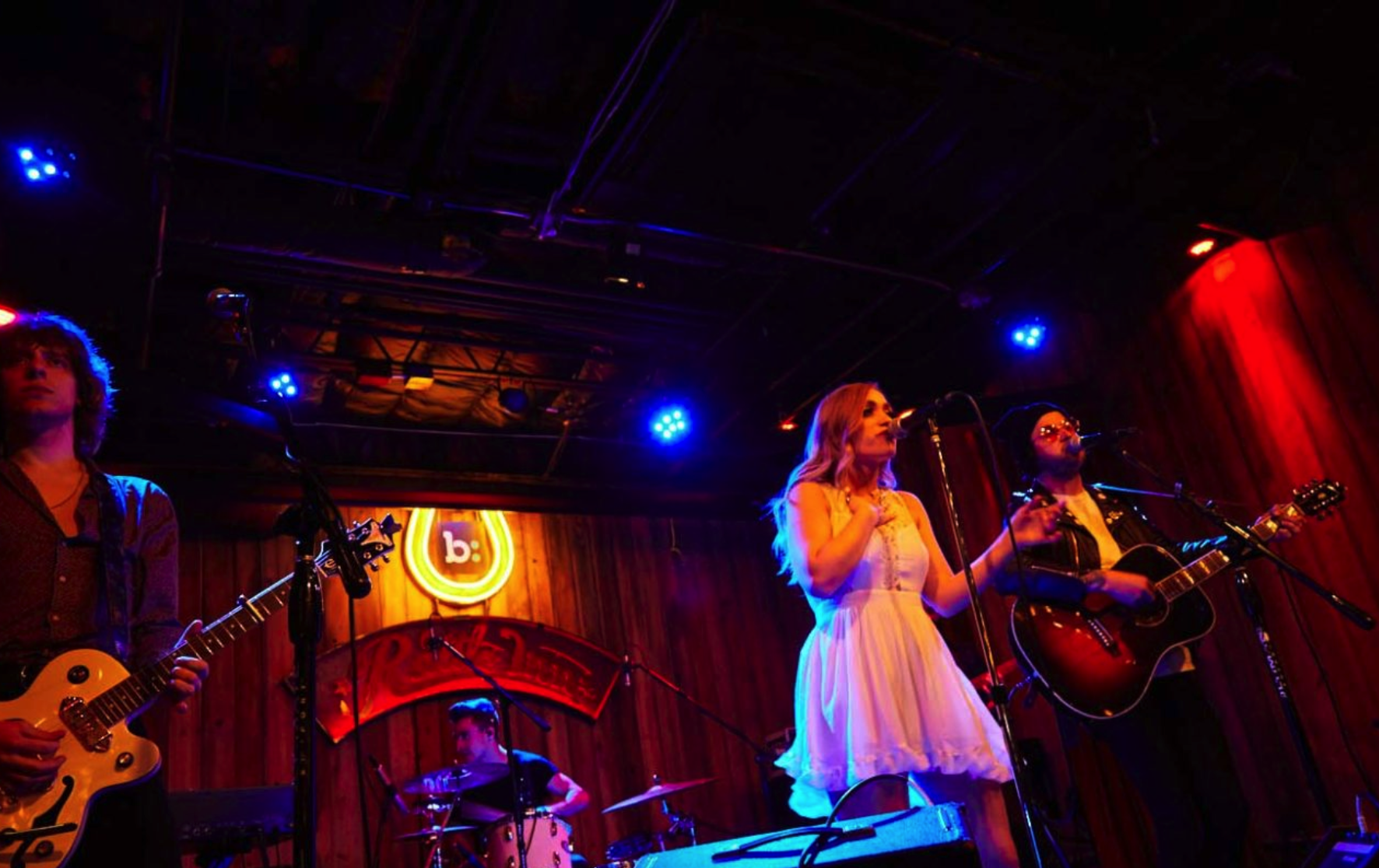
Events are an exciting time for any savvy marketer. They represent an opportunity to bring your employees and customers together. On the other hand, planning events is a highly involved process, from the venue, to the catering, to the music. However, in all the excitement and stress in the lead-up to your next event, it’s important not to forget that events are an excellent opportunity to capture great photo content for your marketing efforts. In order to help you grab the photo content you need, we’ve prepared a list of the most important photography shots you should be sure to grab at your next corporate event.

Speaker Shots
Some of the best LinkedIn profile photos are ones that feature the person onstage speaking at an event. Speaker photography shots make the subject look confident and knowledgeable. Moreover, any good event planner will make sure that your speakers will be framed with a beautiful stage and backdrop during their speech. While some speakers choose to stand behind a podium, some others go for the “TED” look and opt for a blank stage. In either case, speaking onstage provides the opportunity for a beautiful and easy photography shot that you can leverage in your upcoming marketing campaigns.

Audience Shots
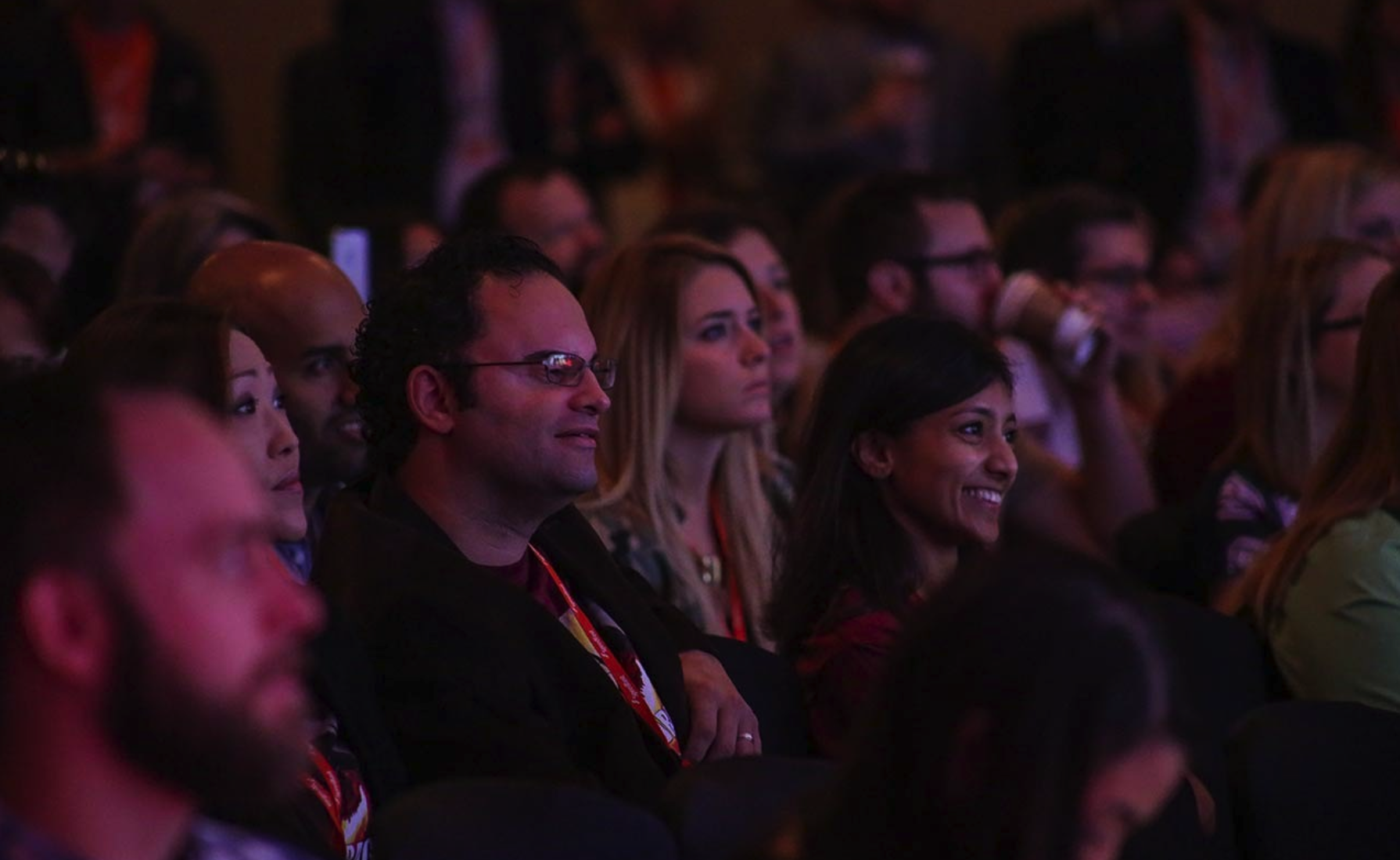
On the flip side of your speaker photos are the audience photos. It’s important to remember that every time you have a speaker onstage sharing an engaging story or experience, you also have your entire audience gathered together and intently listening. This in turn can be used in your next marketing campaign to underscore how excited your customers are about your product and your brands. As such, you should be sure to capture photography shots aimed at your audience. As an additional note, be sure to capture both up-close and wide shots of the audience, as up-close shots make great feature content, while wide shots can be leveraged as a backdrop or social media cover photo.
Product Shots
No savvy marketer has a shortage of great photo content featuring their products. However, your next corporate event provides you a unique opportunity to shine a new light on your products. Ultimately, corporate events are an investment in your employees and your customers in the hope that it will energize your ability to engage with customers and communicate the value of your products. Think about it: when you see a photo of the new iPhone on display at an Apple event, with hundreds of tech journalists jockeying to get a closer look, it assigns a level of wonder and mystique to the product. Leverage the atmosphere surrounding your product at your next event by grabbing photography shots of your products on display, and with your customers interacting with them.
Photos of Your Team Interacting with Customers
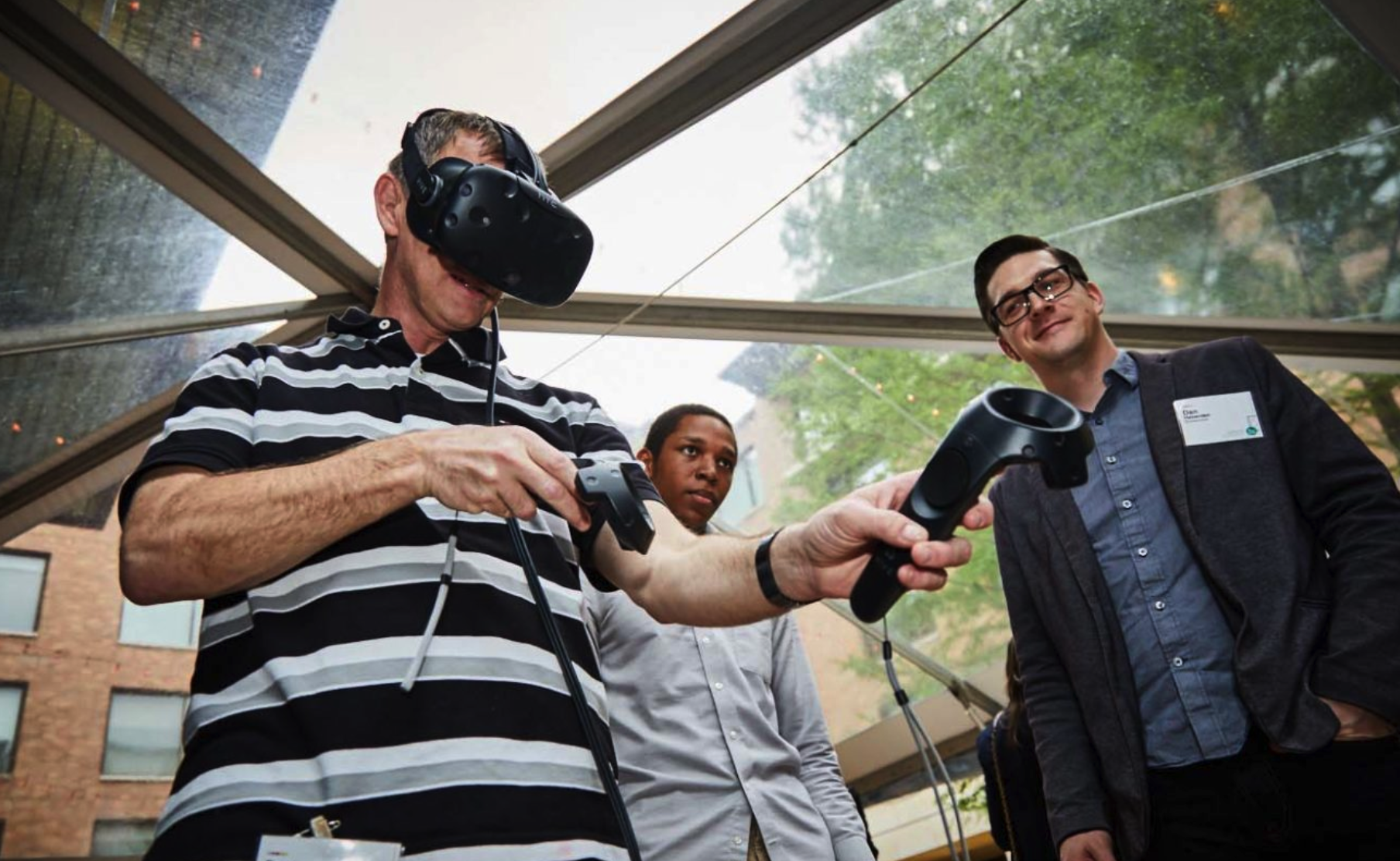
It takes a lot of important things to make a great corporate event. The venue, the food, and even the music can all contribute to ensuring that your guests have a great time. However, the best way to ensure that your event is a success is to bring the wonderful people of your team together with your excited customers. Whether most of your sales and customer support happens through the phone, or if you get together with different customers on a daily basis for coffee, a corporate event is a prime opportunity to showcase outstanding customer relationships. However, for all of the potential customers who aren’t in attendance, you should also be sure to get photography shots of your team interacting with customers. This will serve to give your leads confidence that you and your team are passionate about meeting your customers’ needs, and will lend human faces to your company’s sales and marketing function.
Spontaneous Photos
The hardest photography shots to get at your next corporate event are also some of the most important. Ultimately, there will be moments at your event that can’t be planned, and chances are these chance encounters or funny incidents will be what defines the event both for you and your guests. As such, it’s important to make sure that you have a talented and energetic photography team that is keeping an eye out for the fun and spontaneous photo shots that will serve to immortalize the event. Sometimes these will be important for your marketing campaigns, but much of the time it could be something like your sales representative sharing a laugh with a major customer. This typically isn’t worthy of making the banner on your website but can be something that your team and your customer can share as a token of the outstanding relationship you have.
Final Note
It’s important to remember that all of your effort in capturing great photography shots will go to waste if you don’t have authorization to take and use photos from events. Be sure to get photo release approval from every attendee, or to identify which of your guests would rather stay out of the lens. This can be as simple as including a simple yes-or-no option in the online registration form for your event, but can go a long way in making sure that you maintain a positive experience and relationship with your guests.
What kind of event photography do you find engaging? Comment below and let us know!
How To Drive Corporate Video Engagement
05 Jun 2018

Engagement. The word that spells out a lifelong commitment for some, and enhanced viewer purchase behavior for others. When it comes to the art and beauty of the corporate video, it’s all broken down to win hearts and earn video engagement. After all, where there’s viewer engagement, buy-in is most often born.
Engagement Season is Always Now
In social media, engagement symbolizes likes, follows, check-ins, comments and shares. Managing a business and its online reputation isn’t as simple as it sounds, however. Any person or company can say they manage social media and create corporate marketing videos on a very basic level. Driving video engagement for the pros means four things. Authenticity, for one. It must be unique to the company alone. Realizing what makes a business special reveals how to leverage its certain spark so it stands out from the crowd in its industry. Want seconds? It must be realistic. The video must accurately depict the organization and highlight what it offers in a digestible way (think: ten seconds to a minute). Third, always allure. A video must captivate its audience with the three keys to communication. To inform, to educate, and, crowd favorite, to entertain. For dessert, a great video drives engagement by answering everyone’s favorite question. What on earth is in it for me? Does it fit my needs? Does the company even know my needs? When done right, what ensues is engaging video designed to get people talking. When people get to talking, they traditionally start buying. Here, a few secrets to the process revealed.
Step One: Have An Actionable Plan
When people buy into a company, idea, service or product, they need a call to action. A video campaign that begins and ends by clearly laying out what its viewers must do to benefit themselves is a step toward success. With the what, a video must also compel them with the most important component: the why. In the video content strategy, the why must touch on the viewer’s pain. What problem is this video designed to solve? Why will this enhance the life of the buyer? Finally, why does this company surpass all the rest?
Step Two: Ideal Video Placement
Where a company chooses to showcase the video will determine its engagement. When viewership goes up, video statistics do, too. As do the number of impressions it makes on a crowd. Impressions are simply the number of times people click on, share and interact with a video. The top video hot spots to hang out include YouTube, Facebook, social networks, blogs and the company website. That’s where all the popular videos go, anyway. To get with the crowd, a great video creator knows the more seen it becomes, the more conversions, or times the video creates purchase behavior, a company can expect to see.
Step Three: Keep Them Coming Back
The video should be a tease to get an audience interested in a company. With the average worldwide attention span lasting mere seconds, it’s important to keep the video as close to one minute as possible. The shorter the video, research reveals, the higher the likelihood of positive engagement. The human attention span is growing closer to that of a squirrel, thanks in large to the rise of technology. When a compahttps://sparksight.com/blog/online-marketing-blog/video-thumbnail-tricks-seo/ny values its viewers’ time, giving special attention to their attention spans, it will likely earn the trust, interest and respect needed to keep them coming back. When they do so, they are more likely to commit for the long haul. Studies show, get ‘er done in the first ten seconds. While it’s important to deliver content of value, it’s most important to do it in a succinct way, with swagger.
How will your next video campaign drive engagement? Comment below and let us know!
Interactive Holiday Video: Whodunit?
26 Dec 2017


Interactive Holiday Video: Whodunit?
If you haven’t gotten the chance to watch Sparksight’s interactive holiday video, I suggest you take a moment to go on an adventure with the Sparksight team. Our team produced an entertaining interactive video that leads clients to the ultimate Christmas gift of 20% off all video production. Interactive video is a digital multimedia presentation combing video content with user input, allowing viewers to take a wide range of actions while watching video content. With 80% of all web traffic predicted to come from video by 2019, the demand for more eye-catching and engaging video production is greater than ever before, which is why Sparksight chose to present clients a great discount in a more attention grabbing way. We hope we could brighten your day with a little holiday cheer and that you’ll take advantage of the gift inside.
EKO
To generate our interactive holiday video, we turned to EKO’s web-based authoring technology, making creation, distribution, measurement, and monetization of our interactive media simple. EKO gives users unique control over live-action narratives and creates a deep engagement for the end user. EKO was a great medium to work with because our viewers are the architect of their own journey and can shape stores as they unfold. This is a great step in transforming clients and viewers into active participants.
The advanced video metrics EKO offers paired with a team of excited co-workers, enabled our interactive marketing in house Guru to craft our holiday video in a very personalized way. Every member of Sparksight had a role to play within the video and with the help of EKO we were successful at connecting all the moving parts.
2,000 + Unique Paths??
Our interactive holiday video allows the user to move through a space or look at an object, as if the user is participating in the scene. Our video includes clickable areas, or “hotspots”, that perform an action when you click on them and then jumps to a different segment of the video. The flow of the video is set to move participants forward even when they hesitate with their selections. This strategy allows the experience to seamlessly continue in a natural and lifelike sequence. Sparksight has generated interactive marketing videos before, but none to this level of complexity. We aimed to create variety in each viewer’s experience by guiding them to new sections of the video, avoiding repetition as much as possible. We were all shocked in the editing room when we discovered that we had created over 2,000 different paths for people to choose! Who knew finding a present could be so tricky.
Structuring the Madness
While generating our interactive holiday video, the engineer behind the magic created three separate landing pages where the user must make a choice. Depending on which stage of the client journey that is being targeted, each purpose of the landing page will differ. The opening scene of the video defines the audience’s mission, finding out “Whodunit” and stole the Christmas gift from Sparksight’s office. Three different landing pages are utilized in our tangled web of scenes to help lead the user to the culprit. The first landing page is where the user is prompted to pick different clues. This leads the user to the next segment of choosing a suspect to interview. After interrogating characters, you will be able to make an accusation as to who stole the Christmas gift and find out what the thief was in the process of stealing. The client reveals the merriest of gifts, a 20% discount. The massive (over 2,000 remember) number of paths and customization in our interactive holiday video means that no viewing experience is the same and there will be more client engagement.
Result
Interactive video follows a similar process to traditional storytelling, but includes elements of branching narratives, options to choose from, and provides value rather than push a sale. The collaborative elements in our interactive holiday video allow the audience to actively participate in the fun narrative and become part of the Sparksight team.
We hope you enjoyed our holiday bit! Let us know your favorite part in the comments below!
Shot List: How They Drastically Improve Your Photo Shoots
14 Dec 2017

Creating a shot list for a photo shoot is one preventative measure to alleviate the pressures photo shoots can bring . Professional photographers and amateurs alike, planning and setting up for a shoot can be daunting. You need to make sure you have the right equipment, lighting, and all the supplies required to capture the perfect shot. Adding a shot list to your preplan can help any photo shoot run more smoothly.
What is a Shot List?
A shot list is simply a checklist of the individual shots that you need or want to take. It helps photographers be efficient with their time and with clients’ money. Having a prepared shot list can prevent costly reshoots and save both parties a lot of trouble. A shot list also serves as a plan that you can coordinate with your clients to ensure you are capturing all the shots they want. With a well thought out shot list you can deliver your message in a short amount of time.
A shot list can be made up of a brief description of a shot and can include rough sketches of the photos you want to take. Think of the checklist as a guideline – you can always go off book – but it’s a great way to ensure you don’t forget one or more photos that you needed from a shoot. Taking the time to plan your shot list will save a lot of stress and chaos when it’s time to shoot.
Shot List Basics
Your shot list can come in whatever form works best for you but keep in mind different clients may want a different format. Keep a shot list that is easily modifiable. The list can be as broad or as specific as you want it to be. It can even include notes on what camera angles and settings you’ll need to create the right shot. One good option is to break up your shot list into categories like “Must Haves, Details, and Extras.”
The kinds of shots that go into each category will vary from shoot to shoot, but it can be incredibly helpful to make sure you have a checklist to keep your priorities aligned with your goals and with the client’s wants and needs. However, most shots will likely include some combination of the following:
- The “must have” list would include your top priority shots – ones that you know you need to capture. The detail shots would be smaller details related to your overall shot, ones that will help flesh out the story of your shoot but won’t ruin your day if you miss one. The extras are simply that – shots that you’d like to get if conditions permit and/or if you have extra time after capturing the first two categories.
- Detail Shots: Like the name implies, detail shots are shots that capture small details of an event, person, or product. These might be shots of the invitation and rings at a wedding, shots of the tennis shoes a model is wearing in an exercise shoot. These shots are a great touch when it comes to capturing specific characteristics or items.
- Close-Ups: A close-up shot tightly frames a person or object and is a standard shot in almost every shoot. They focus on the subject rather than the background and are great for product photography and portraits alike.
- Wide Shots: Unlike a close-up, wide shots (or full shots) show an entire person or object as well as the surroundings to provide context. These shots can be used to show a product in a space where it would be used to provide context.
Other Shots To Keep In Mind
There are other shots you may want to include depending on whether you are shooting an event, a model, or a product. Whatever your task, a shot list helps you lay out your shoot and plan accordingly.
- Posed Shots: For portraits and events, many shots will be posed. Having a shot list can help you remember which poses to capture and where to position your subject to obtain the right photos.
- Candid Shots: Candid shots are a great way to capture lifelike photos. In a candid photo, the subject is unaware that the photo is being captured, which results in a very natural feel. For events, you can make notes about some candid shots you want to capture, although they will naturally not be quite as planned.
Takeaways
Photoshoots can be hectic – setting up equipment, working with models and clients, dealing with weather and other conditions. It’s easy for even a seasoned photographer to forget a shot they needed to tie their whole story together. When that happens, it can cost both time and money to reshoot. Making a shot list prevents the hassle of do-overs and provides the opportunity to map out your shot.

A shot list can also serve as an excellent guideline for communicating with a client to ensure you are both on the same page and that a critical shot is not left out. Rather than taking away the freedom of a shoot, the basic organization of a shot list helps photographers manage their shoots and capture the best shots.
Do you create a shot list before each shoot? Comment below some of the details you make sure and include on your shot list.
A Beginner’s Guide to Product Photography Lighting
06 Jun 2017
Product photography can be more technical than other types, and good lighting is key to make items look their best. A website with crisp, clean products is far more appealing that one with badly lit, grainy photos. Many photographers got their start in product photography. How can you ensure that your product photos are the highest quality? It all comes down to proper lighting.
Using the proper equipment and set-up for a product shoot is a key element to creating clean photos. The goal should be to create a continuous background and an even, soft, diffused light. Before you go out and purchase an artificial lighting kit, map out your needs and purpose for using artificial light. Some shoots may require something as simple as positioning an item in front of a window or using a lamp. Others will require more control over the lighting.
Studio Lighting 101
The different kinds of lights can seem overwhelming at first, but studio lighting comes down to three fundamentals: key lights, fill lights and back lights.
1.Key light: the main light source. This is typically pointed directly at the product and is set off-axis from the camera.
2. Fill light: secondary, lower-intensity light source. Lower intensity can mean either a lower volume of light or that the light is placed farther away. The fill light is placed on the opposite side of the camera from the key light.
3. Back light: the light placed behind or behind and above the subject. This light better defines the subject from the background.
Ultimately, lighting placement comes from experience. Don’t be afraid to play around with light positions to get the desired highlights and shadows for your shoots. Moving lights closer to or farther away from the product will affect the hardness of the shadows.
In addition to the position of your lights, you need to consider the lights themselves. What kind of bulbs should you use? Again, there are three main kinds to consider: Fluorescent, LED, and Tungsten.
1. Fluorescent lights are energy efficient and have a relatively low light output. They are also cheap, readily available, and easy to replace.
2. LEDs (light emitting diodes) are also energy efficient and produce little heat. They last a long time, which means less money spent replacing them over and over.
3. Tungsten lights – also known as “tungsten halogen” have the highest output levels but they generate a lot of heat. The bulbs are inexpensive but they can alter the color temperature if the brightness levels are changed.
Equipment for Product Photography
Depending on your budget, there is some equipment you should consider. Obviously, you need a camera. A DSLR camera is your best bet since they create high-quality images captured in RAW format to enable later retouching. Beyond your camera here are some tools to consider:
Light Kits
If you’re interested in a light kit, continuous light, speedlight, and monolight lights are all used for product photography.
- Continuous lighting is a great option for beginners since it has manual light manipulative and allows you to visualize how the light will appear on your image. It also tends to be more cost-effective compared to other kits.
- Speedlight kits are external flash units that have faster than normal flashes and are very versatile. They can be used for both still, product shots or action shots.
- Monolights are self-contained strobes that include stands, reflectors, and power sources. They are powerful and convenient since you don’t need extra power.
Tripod
A tripod will help keep your camera steady and allow you to adjust your camera height and angle along with adjusting the light. This is particularly helpful if you are using a slow shutter speed. There are plenty of options for every budget.
Light Tent
If you’re going to be photographing items with highly reflective, rounded surfaces, a light tent is a good investment. They can be a good alternative to diffusion sheets, but light tents tend to bounce light around making the result appear flat.
Neutral Background
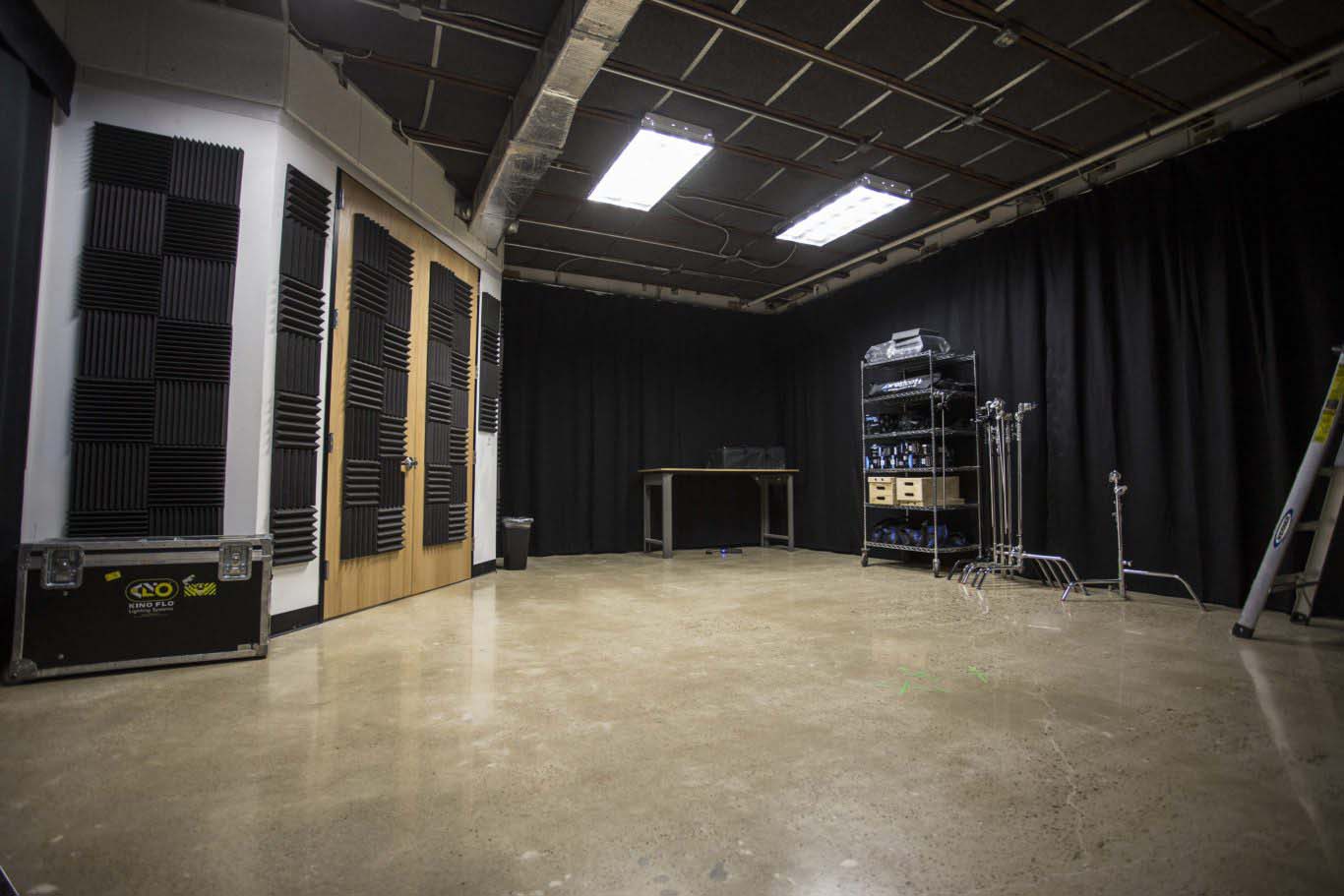
In-studio product photography for images that will appear on a website product page are usually taken against a white or neutral background. Some shoots require a professional studio ( 😉 see ours here ) but others are perfectly suited to a more DIY style.
You can use a sheet or white cardboard tri fold or special background paper or a white wall if you’re on a budget. You can also quickly build your own mini-light studio for very little money and time.
Set Up for Success
If you are starting out in product photography, learning the basics of lighting is an essential step to taking high-quality photos. Investing in some equipment that fits your needs and budget will set you on your way to becoming a skilled product photographer.
Depending on your goals and style, there are a variety of light kits, equipment, and techniques you can use. Learning product photography lighting can take a lot of trial and error, so don’t be afraid to change things up until you get the perfect photo. To learn how to make an ultra cheap DIY Lightbox yourself at home check out this article!
Have you discovered any lighting techniques that might be helpful for your fellow photographers? Share your advice in the comments section below!